Land for Solar Farm Development: What Developers Evaluate
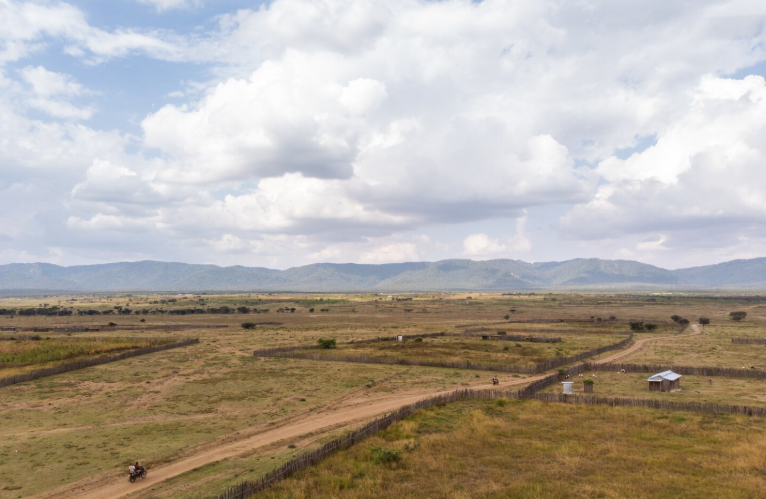
What Makes Land Suitable for Solar Farm Development?
Solar farm development requires more than a large, open parcel with plenty of sunshine. Developers evaluate whether land can accommodate solar panels, connect to the electrical grid, meet local land-use requirements, and support a project that is technically and financially feasible.
For landowners, understanding these factors can help clarify why some parcels attract interest from solar developers while others may be less suitable. Flat or gently sloping land, proximity to electrical infrastructure, practical road access, and compatible zoning can all influence a developer's initial assessment. However, no single characteristic guarantees that a parcel will be selected for a solar project.
The evaluation also differs from buying land for a home or conventional commercial development. Solar projects depend heavily on grid connection capacity, project scale, electrical infrastructure, environmental conditions, and the cost of preparing the site. A parcel may look ideal from an aerial image but still face challenges related to transmission access, permitting, drainage, or land-use restrictions.
For landowners considering a potential sale or lease, and buyers researching land for renewable energy development, understanding these evaluation criteria can provide a useful starting point.
1. Available Acreage and Usable Land Area
The amount of land available is one of the first factors developers examine. However, total acreage and usable acreage are not the same thing. A large parcel may contain areas that cannot accommodate solar arrays because of wetlands, steep slopes, drainage channels, setbacks, access requirements, or other restrictions.
Developers assess the space needed for solar panels, internal roads, electrical equipment, inverters, substations, and other project infrastructure. They also consider how the array layout will work across the parcel and whether enough contiguous usable land is available.
The required acreage depends on the proposed project's generating capacity, technology, panel layout, terrain, and site constraints. There is no universal acreage requirement that makes a property suitable for every solar farm.
For landowners, this means a smaller parcel with favorable site conditions may be more attractive than a larger property with significant physical or regulatory limitations.
2. Sunlight and Solar Energy Potential
A solar project's potential electricity generation depends partly on the amount of sunlight available at the site. Developers examine solar resource data, expected weather conditions, shading, and other factors that influence energy production.
Areas with strong solar resources may offer advantages, but sunlight alone does not determine whether a project is viable. Land in a favorable climate can still be unsuitable if grid access is limited, permitting is difficult, or development costs are too high.
Developers may use solar resource maps, weather datasets, and technical modeling to estimate expected energy production. They also examine nearby trees, hills, buildings, and other features that could cast shadows over the proposed array.
The site's orientation and terrain can affect the layout and design of the panels. These details are evaluated alongside equipment selection, expected output, and the project's overall economics.
3. Proximity to Electrical Infrastructure and Grid Connection
Grid connection is one of the most important factors in solar farm site selection. A parcel may receive abundant sunlight and offer plenty of usable acreage, but the project still needs a technically and financially viable way to deliver electricity to the grid or another approved point of connection.
Developers examine the location of nearby transmission and distribution lines, substations, available network capacity, and potential connection routes. They may also need to evaluate whether electrical infrastructure upgrades would be required.
Being close to a power line does not guarantee that a solar project can connect to it. The relevant utility or grid operator must assess the proposed connection, available capacity, technical requirements, and any necessary upgrades. These processes can affect development costs and timelines.
Developers therefore consider more than the distance to the nearest line. They evaluate whether the connection is feasible, what infrastructure may need to be built, and whether the expected cost makes the project financially practical.
For landowners, a useful question is not simply whether power lines are nearby, but whether the parcel has a realistic path to grid interconnection.
4. Zoning, Land Use, and Permitting Requirements
A parcel's zoning classification can determine whether utility-scale solar development is permitted, conditionally permitted, or restricted. Requirements differ across states, counties, municipalities, and individual jurisdictions.
Developers review local zoning ordinances, comprehensive plans, solar-specific regulations, setback requirements, height limits, screening rules, and other land-use conditions. Depending on the jurisdiction and project, approvals may involve planning departments, zoning boards, county authorities, state agencies, or other permitting bodies.
Some jurisdictions may require public hearings, environmental reviews, community engagement, or specific conditions related to landscaping, fencing, drainage, and decommissioning. A project may also be subject to additional state or federal requirements depending on its location and potential impacts.
Landowners should not assume that agricultural or vacant land can automatically be converted into a solar farm. Before marketing a parcel specifically for solar development, it is useful to establish the current zoning and identify the relevant authority for confirming whether the intended use can be approved.
A developer's preliminary interest is not the same as formal land-use approval. Final feasibility depends on the applicable review process and the project's specific design.
5. Topography, Soil, and Drainage
The physical characteristics of land affect how easily solar equipment can be installed and maintained. Developers typically assess slope, elevation changes, soil conditions, erosion potential, drainage patterns, and the amount of grading required.
Flat or gently sloping land can simplify some aspects of solar array layout and construction. However, the suitability of a site depends on the proposed equipment, terrain, and engineering design rather than on a single slope threshold.
Soil conditions can influence foundation design, equipment installation, road construction, and site stability. Areas with poor drainage, erosion concerns, unstable ground, or difficult access may require additional engineering or construction work.
Developers also consider stormwater management. Solar installations can change how water moves across a site, especially where grading, roads, and other infrastructure alter existing drainage patterns. Depending on the location, a project may require drainage plans, erosion controls, or other measures to meet permitting requirements.
These conditions can reduce the usable area or increase the cost of preparing a parcel for development.
6. Environmental Constraints and Protected Areas
Environmental due diligence helps developers identify restrictions that could affect construction, operation, or the amount of land available for solar arrays.
Potential considerations include:
- Wetlands, streams, floodplains, and drainage features.
- Protected wildlife habitat or sensitive ecological areas.
- Tree cover and vegetation that may require management.
- Cultural or historic resources.
- Soil contamination or previous industrial use.
- Conservation easements and other recorded environmental restrictions.
The relevance of each factor depends on the parcel's location, history, and proposed design. Some environmental constraints may prevent development in particular areas, while others may require surveys, permits, mitigation, or adjustments to the site layout.
Previously disturbed land, including certain brownfield or underused industrial sites, may also be considered for solar development. However, its suitability depends on site-specific conditions, cleanup obligations, engineering needs, and applicable legal requirements.
Environmental reviews are therefore an important part of determining how much of a parcel can actually be developed and what additional costs may arise.
7. Road Access and Construction Logistics
Solar farm development requires access for construction crews, delivery vehicles, heavy equipment, and ongoing maintenance. Developers evaluate whether existing roads can accommodate the vehicles needed to transport panels, mounting systems, transformers, and other equipment.
A parcel with direct access to a suitable public road may be easier to develop than one that depends on a narrow private road or an informal access route. Where improvements are required, developers assess the cost of road upgrades, drainage structures, entrance modifications, and internal access roads.
Legal access is just as important as physical access. A road visible on a map does not necessarily provide a legally enforceable right to reach the property. Developers may review recorded easements, road agreements, access restrictions, and maintenance obligations before proceeding.
Access also affects long-term operations. Maintenance teams need a practical way to reach equipment, inspect the installation, and respond to operational issues. A parcel should therefore be evaluated for both construction access and ongoing service requirements.
8. Water Availability and Construction Requirements
Although solar photovoltaic projects generally require less water during routine operation than some other forms of electricity generation, water may still be needed during construction, dust control, vegetation management, and panel cleaning.
Developers evaluate whether water is available at the site, whether it can be accessed legally, and what it would cost to obtain and transport it. The importance of water availability depends on local climate, dust conditions, cleaning methods, construction plans, and environmental requirements.
In areas where water resources are limited, developers may investigate alternative cleaning approaches and operational practices. They also consider whether water use could conflict with local restrictions or other users' needs.
For landowners, it is important to distinguish between having a nearby water source and having a reliable, legally available supply that meets the project's requirements.
9. Land Ownership, Title, and Easements
Before negotiating a purchase or lease, developers need to establish that the land can be legally secured for the proposed project. Title issues, competing rights, unclear boundaries, and existing encumbrances can complicate development.
A review of ownership and recorded documents may identify:
- Mortgages, liens, or other financial interests.
- Existing leases, easements, and rights-of-way.
- Mineral, water, or other reserved rights.
- Deed restrictions or conservation agreements.
- Boundary discrepancies and unresolved ownership questions.
These issues do not necessarily make a parcel unsuitable, but they may affect the project's design, financing, legal arrangements, or ability to proceed.
Solar projects may require long-term access rights, space for electrical equipment, and permission to install and maintain infrastructure. Developers must understand whether these rights can be obtained and whether existing agreements conflict with the proposed use.
Landowners considering a solar lease should also review the agreement carefully. Important provisions may include the option period, lease duration, rent structure, permitted activities, access rights, insurance, restoration obligations, and what happens if the project is never built.
Independent legal advice can help landowners understand the obligations and restrictions created by a proposed agreement.
10. Project Economics and Development Costs
A solar developer ultimately needs to determine whether the project can be built and operated at a viable cost. Land is only one part of the overall investment.
The economic evaluation may include land purchase or lease costs, site preparation, solar equipment, electrical infrastructure, grid interconnection, permitting, engineering, environmental studies, insurance, financing, construction, and ongoing maintenance.
Grid upgrades or extensive grading can make an otherwise attractive site more expensive to develop. Likewise, long permitting timelines or unresolved environmental concerns can add costs and uncertainty before construction begins. The U.S. Department of Energy identifies interconnection costs, land costs, zoning, topography, and environmental impacts among the factors considered during large-scale solar site selection.
Developers also assess how electricity will be sold, who will purchase it, and whether the proposed project can meet the relevant commercial and contractual requirements. A parcel's suitability therefore depends on the relationship between land conditions, infrastructure, regulatory approvals, and the project's revenue assumptions.
A high asking price or large acreage does not necessarily make land more attractive to a solar developer. The parcel must fit the project's technical needs and financial model.
11. Buying or Leasing Land for a Solar Farm
Developers may purchase land outright or negotiate a lease or option agreement, depending on the project and the parties' objectives.
Buying land
Purchasing land provides ownership of the parcel, subject to existing rights and restrictions. Developers may prefer this arrangement when acquiring the site fits their capital structure, project plans, and long-term ownership strategy.
Leasing land
Leasing can allow a developer to secure site control without purchasing the land outright. Lease terms may address rent, escalation, access, construction rights, the operating period, maintenance, and eventual removal of equipment.
Signing an option agreement
A developer may seek an option period to conduct surveys, assess grid access, pursue approvals, and determine whether the project is feasible before committing to a long-term lease or purchase. Landowners should understand the option fee, duration, extension rights, exclusivity provisions, and termination conditions.
For landowners, the financial terms are only one part of the decision. It is also important to understand how long the developer can control the land, what activities are permitted during evaluation, whether the agreement restricts other potential transactions, and what happens if the project does not proceed.
Solar farm development can take considerable time because the developer may need to complete technical studies, secure grid interconnection, obtain permits, and arrange financing. Neither a signed option nor a developer's initial interest guarantees that a solar farm will ultimately be constructed.
Before signing, landowners should consider independent legal and financial advice and ensure that the agreement clearly addresses the project's timeline, rights, payments, and obligations.
12. How Landowners Can Prepare a Parcel for Solar Developer Interest
Landowners do not need to complete every technical study before approaching a potential developer. However, organizing basic property information can make an initial evaluation more efficient.
Useful information may include the parcel's location, acreage, parcel identification number, ownership details, current land use, road access, available utility infrastructure, and known easements or restrictions. Existing surveys, topographic maps, environmental reports, and other property records may also help where available.
Landowners can also identify the relevant county or municipal planning authority and review the current zoning classification. If the parcel has known access limitations, environmental constraints, or existing leases, disclosing these issues early can help establish whether further evaluation is worthwhile.
Avoid assuming that a solar developer will be interested simply because the land is open, sunny, or near transmission lines. Developers need to evaluate the complete site, including grid connection feasibility, usable acreage, approvals, and project economics.
How OffersTree Can Help Landowners Explore Land Opportunities
Landowners interested in selling land that may be suitable for renewable energy development can start by reviewing their parcel’s location, acreage, road access, zoning, and existing land-use restrictions.
OffersTree provides a nationwide land marketplace where landowners can list vacant land and connect with potential buyers. Developers and other land buyers can explore available properties for further evaluation. However, listing land on OffersTree does not guarantee that a solar developer will purchase or lease the property, and any proposed solar project remains subject to the buyer’s interest, site suitability, required approvals, and due diligence.
If you are considering selling land that could potentially support a solar project, organize your property information and confirm the relevant zoning and access details before discussing a transaction. Prospective developers will need to conduct their own technical, environmental, legal, and financial assessments to determine whether the parcel meets their requirements.
Looking to sell your land? Explore land-selling options on OffersTree to learn how to list your property and present its location, acreage, and known characteristics clearly to prospective buyers.
Conclusion
Selecting land for solar farm development involves much more than finding a large parcel in a sunny location. Developers must evaluate usable acreage, sunlight, grid connection prospects, zoning, environmental conditions, road access, title, and the total cost of development before determining whether a project is viable. For landowners, understanding these factors can help set realistic expectations when exploring a potential sale or lease. For buyers and developers, detailed due diligence is essential to determine whether the site can support the proposed project within its technical, legal, and financial requirements. OffersTree provides a marketplace for exploring vacant land opportunities and connecting with potential buyers. If you are considering selling land that may be suitable for renewable energy development, start by organizing your property information and exploring the available listing options.
Frequently Asked Questions
The amount of land required depends on the proposed generating capacity, panel technology, array layout, terrain, and site constraints. Developers calculate usable acreage based on the entire project design, including solar arrays, roads, electrical equipment, and other infrastructure. There is no single acreage threshold that applies to every solar farm.
Developers generally look for sufficient usable acreage, favorable solar resources, practical road access, suitable terrain, a feasible grid connection, compatible zoning, and manageable environmental constraints. The importance of each factor depends on the proposed project and its location.
Not necessarily. Flat or gently sloping land can simplify certain aspects of construction and array layout, but some sloped sites may also be suitable. Developers evaluate slope, soil conditions, drainage, shading, and engineering requirements to determine the usable area and expected site preparation costs.
No. Nearby power lines may be helpful, but the developer must establish whether the proposed project can connect to the grid, whether sufficient capacity is available, and what upgrades or connection infrastructure may be required. These factors can significantly affect feasibility and cost.
Potentially, but it depends on local zoning, land-use policies, environmental requirements, and project-specific approvals. Some projects may also explore combining solar generation with certain agricultural activities, depending on the design and site conditions. Buyers should confirm the applicable rules with the relevant authorities.
Developers may purchase land, lease it, or negotiate an option agreement that provides time to evaluate the parcel before making a longer-term commitment. The arrangement depends on the project, financing strategy, landowner preferences, and negotiated terms.
The timeline varies depending on project size, grid interconnection, permitting, environmental reviews, financing, construction requirements, and local conditions. Some projects may progress relatively quickly, while others take several years or never reach construction. A preliminary site assessment should not be treated as a guarantee of development.
OffersTree provides a marketplace where landowners can list vacant land and connect with potential buyers. A listing may help a landowner present the parcel to interested parties, but it does not guarantee that a solar developer will find the land suitable. Developers must independently evaluate the property and confirm whether the proposed project is feasible.

AnuSavi Tara brings a deep love for land and years of experience turning complex deals into simple, empowering paths forward. She helps buyers invest in land with confidence.
https://www.linkedin.com/in/anusavitara/