Recreational Land: Hunting, Camping and Off-Grid Use
What Makes Recreational Land Different From Other Land?
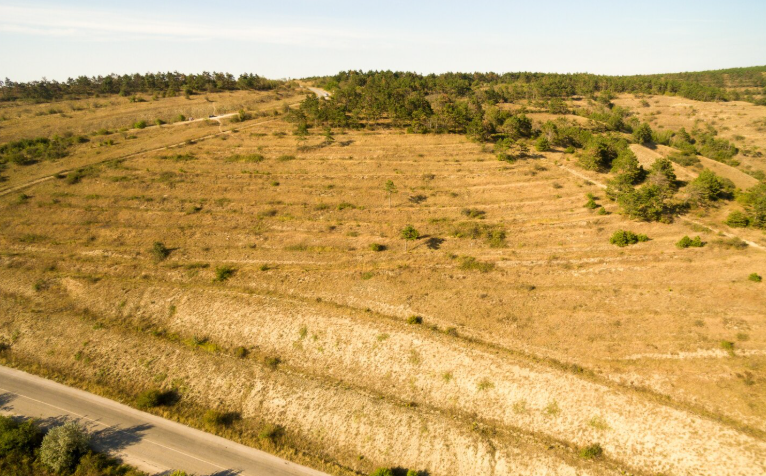
Recreational land appeals to buyers who want space for outdoor activities, wildlife observation, weekend camping, hunting, or a private retreat away from developed areas. Unlike land purchased primarily for residential construction or commercial development, recreational land is often evaluated based on its natural features, accessibility, permitted uses, and suitability for outdoor activities.
Some buyers look for wooded acreage with wildlife habitat, while others prefer open land near lakes, rivers, mountains, or established outdoor recreation areas. Buyers interested in off-grid recreation may also prioritize privacy, reliable water sources, solar power potential, and the ability to access the land throughout the year.
However, land that looks suitable for recreation is not automatically approved for every intended activity. Local zoning, hunting regulations, environmental restrictions, road access, and water availability can all affect how a parcel may be used. Understanding these factors before purchasing helps buyers choose land that aligns with their recreational goals and budget.
Hunting Land: What Buyers Should Evaluate
Hunting land is often evaluated based on wildlife habitat, vegetation, terrain, surrounding land uses, and access to suitable hunting areas. Wooded parcels, open fields, water sources, and natural cover may support different wildlife species, but the presence of these features does not guarantee hunting opportunities or wildlife populations.
Wildlife Habitat and Land Characteristics
Before purchasing hunting land, examine the property's vegetation, terrain, water features, and surrounding habitat. Different species rely on different combinations of food, cover, water, and seasonal conditions. A mix of wooded areas and open ground may appeal to some buyers, while others may prefer larger, continuous areas of forest.
Review aerial imagery and property boundaries to understand the layout, but do not rely on imagery alone. Walking the property, where permitted, can help you assess terrain, existing trails, drainage, vegetation, and potential access points. Local wildlife agencies may also provide information about species, hunting seasons, licensing, and regional regulations.
Hunting Regulations and Property Boundaries
Owning recreational land does not automatically give a buyer unrestricted hunting rights. Hunting may be governed by state wildlife laws, licensing requirements, seasonal restrictions, weapon regulations, and local discharge ordinances. Additional rules may apply to protected species, public lands, or properties near homes and roads.
Buyers should also verify the legal boundaries and determine whether access routes cross neighboring land. Clearly identifying property lines can help reduce disputes and prevent accidental trespassing. If hunting is a primary reason for purchasing the parcel, confirm the applicable regulations and any private restrictions before committing to the purchase.
Camping Land: Space for Outdoor Recreation
Camping land can appeal to buyers who want a place for weekend trips, family outdoor activities, hiking, stargazing, or spending time in nature. Depending on the location and applicable rules, a parcel may support occasional tent camping, a designated campsite, or more developed recreational facilities.
Verify Whether Camping Is Permitted
One of the first questions to answer is whether camping is allowed on the parcel and under what conditions. Zoning rules, land-use ordinances, deed restrictions, homeowners' association rules, and environmental regulations may limit overnight stays or prohibit certain camping arrangements.
For example, a county may treat occasional personal camping differently from keeping an RV on-site for extended periods, installing a permanent cabin, or operating a commercial campground. Buyers should verify these distinctions with the local planning or zoning department rather than assuming that private ownership allows unrestricted camping.
If you plan to rent campsites to visitors, additional requirements may apply, including business licensing, sanitation facilities, fire safety measures, parking, and permits. Confirm the rules before purchasing land for a commercial recreation business.
Consider Access, Terrain, and Seasonal Conditions
A campsite that is easy to reach in summer may be difficult to access after heavy rain, snowfall, or seasonal flooding. Steep slopes, muddy roads, drainage problems, and limited vehicle access can affect how comfortably you use the land.
Consider whether the property can accommodate the vehicles and equipment you expect to bring. If access depends on a private road or an easement across neighboring land, review the recorded documents and any maintenance responsibilities. A visible track across a neighboring parcel does not automatically establish a legal right to use it.
Water, Waste, and Fire Safety
Camping on undeveloped land requires planning for drinking water, wastewater, rubbish, and fire safety. A natural stream or pond should not be assumed safe for drinking, and wastewater disposal must follow applicable local requirements.
Check whether seasonal fire restrictions apply, especially in wooded or drought-prone areas. Buyers should also determine whether the property has practical emergency access and whether mobile coverage is available. These considerations can be particularly important on remote parcels.
Off-Grid Recreational Land: What to Know Before Buying
Off-grid recreational land appeals to buyers who want to spend time away from conventional utility services. Some plan to use the land for occasional camping with portable equipment, while others may want a cabin or a more developed retreat supported by solar power, water storage, and independent wastewater arrangements.
The important distinction is that off-grid living or recreation does not automatically exempt a property from zoning, building, sanitation, or environmental regulations.
Electricity and Solar Power
Solar panels, battery storage, and portable generators can provide electricity where grid service is unavailable or expensive to extend. The right setup depends on the intended use, seasonal sunlight, equipment requirements, and how frequently the land will be occupied.
Before purchasing, assess whether the terrain and tree cover provide adequate sunlight for solar power. Consider the costs of panels, batteries, installation, maintenance, and backup power. If grid electricity may eventually be needed, ask the utility provider about service availability and connection costs.
Water Supply and Wastewater
Water is one of the most important considerations when evaluating remote recreational land. Depending on the location, options may include a permitted well, a legally available shared water source, delivered water, or storage tanks. Each option has different costs, limitations, and maintenance requirements.
Do not assume that a nearby stream, pond, or groundwater source can legally or practically meet your needs. Verify water availability, relevant rights and restrictions, water quality, and any permits required for a well.
Wastewater also needs a lawful solution. A septic system may require soil evaluations, adequate space, and local approval. Some parcels may not be suitable for a conventional septic system, which could limit their use even when other features appear attractive.
Building a Cabin or Other Shelter
Buyers sometimes assume they can install a small cabin, shed, tiny home, or other shelter on recreational land without permits. That is not always the case. Local rules may regulate building size, occupancy, foundations, setbacks, access, and permitted uses, even when the structure is small or intended for occasional use.
If you intend to construct a cabin, verify the applicable building requirements and whether the parcel qualifies for the proposed use. Review these requirements before buying materials or committing to a construction plan.
How to Evaluate Recreational Land Before Purchasing
Recreational land should be evaluated according to how you actually intend to use it. A parcel that works well for occasional tent camping may not meet the requirements for hunting, an off-grid cabin, or a commercial campground.
The following considerations can help organize your research.
| Factor | What to verify |
| Permitted use | Whether hunting, camping, RV use, cabins, or other planned activities are allowed |
| Legal access | Public road frontage, recorded easements, private road rights, and maintenance responsibilities |
| Terrain | Slope, drainage, soil conditions, usable areas, and seasonal accessibility |
| Water | Available sources, water rights or restrictions, quality, and supply costs |
| Utilities | Electricity, solar potential, communications, and wastewater options |
| Environmental constraints | Wetlands, flood exposure, protected habitats, fire risk, and conservation restrictions |
| Ownership and boundaries | Title, survey, easements, deed restrictions, and boundary locations |
| Ongoing costs | Property taxes, road maintenance, insurance, upkeep, and infrastructure expenses |
Check Zoning and Land-Use Restrictions
Contact the local planning department to confirm the parcel's zoning and permitted uses. Ask specifically about the activity you intend to pursue rather than relying on broad descriptions such as "recreational land" or "unrestricted land."
Some restrictions may come from recorded deed conditions, conservation easements, or private agreements rather than zoning alone. A title review can help identify relevant recorded restrictions and rights affecting the land.
Confirm Legal Access and Boundaries
Review the parcel map, survey, and title documents to understand the property's boundaries and how you can legally reach it. This is particularly important for rural land where access roads may cross private property.
If you intend to hunt, confirm the parcel boundaries and the rules governing hunting on private land. Do not assume that ownership of a parcel provides permission to cross neighboring land or use adjoining public land without checking access rights and applicable regulations.
Estimate the Total Cost of Ownership
The purchase price is only one part of the cost of recreational land. Buyers may also need to budget for access improvements, clearing, fencing, water storage, solar equipment, waste management, surveys, permits, and ongoing maintenance.
Remote land can have lower upfront prices than developed recreational properties, but infrastructure expenses may change the overall cost significantly. Request estimates from relevant contractors or service providers before committing to improvements.
Is Recreational Land Right for You?
Recreational land may suit buyers who want a private outdoor retreat, space for lawful hunting, a base for camping trips, or an off-grid recreation project. The best parcel depends on the intended activities, the amount of maintenance you are willing to manage, and the practical requirements of accessing and using the land.
Buyers seeking a simple camping location may prioritize road access, usable terrain, and clear permission for overnight stays. Hunting-focused buyers may place greater importance on habitat, parcel boundaries, and local hunting regulations. Buyers planning an off-grid cabin will generally need to investigate water, wastewater, building requirements, and power options in greater detail.
It is important to match the parcel to the intended use rather than relying on its appearance, acreage, or listing description alone.
How OffersTree Can Help You Explore Recreational Land
Finding suitable recreational land starts with identifying your preferred location, budget, acreage, and intended activities. A land marketplace can help you discover available parcels and compare listing details, giving you a starting point for further research.
OffersTree provides a nationwide land marketplace where buyers can explore vacant land opportunities, including recreational land. Browse available land listings on OffersTree to compare properties and identify potential parcels that match your needs. You can also contact the OffersTree team for support with due diligence or planning a site visit. Before purchasing, independently verify zoning, legal access, environmental restrictions, and whether the land permits your intended recreational activities.
Conclusion
Recreational land can provide space for outdoor activities and a personal retreat, but selecting the right parcel requires more than finding attractive scenery or sufficient acreage. Buyers should evaluate how they intend to use the land and verify zoning, legal access, water, utilities, environmental constraints, and ongoing costs before committing to a purchase. Whether your priority is hunting, camping, or off-grid recreation, careful research can help you identify land that fits your plans and avoid unexpected restrictions or expenses. OffersTree makes it easier to explore land opportunities through a dedicated marketplace. Browse available listings, compare potential properties, and contact the team for assistance with your land search.
Frequently Asked Questions
You can explore available land listings through OffersTree, a nationwide land marketplace. Compare properties based on location, acreage, price, and listing information, then independently verify that each parcel is suitable for your intended recreational use.
Recreational land is land primarily purchased or used for activities such as camping, hunting, hiking, wildlife observation, fishing, and other outdoor pursuits. The activities permitted on a particular parcel depend on its location, zoning, ownership restrictions, and applicable laws.
Hunting may be permitted on private land, but ownership alone does not override applicable hunting laws. Buyers should check licensing requirements, hunting seasons, local firearm regulations, property boundaries, and any relevant restrictions before hunting.
Possibly. Local zoning and land-use rules may restrict overnight camping, RV stays, or the installation of permanent facilities. Buyers should confirm whether their intended camping arrangement is allowed before purchasing.
Some recreational parcels may support off-grid use, but living on the land can involve additional zoning, building, sanitation, and occupancy requirements. Buyers should verify whether their plans for a cabin, tiny home, RV, or other shelter are permitted.
Requirements depend on how the land will be used. Buyers may need to plan for electricity or solar power, drinking water, wastewater management, communications, and waste disposal. Even when conventional utilities are unavailable, applicable health and environmental regulations still apply.
Verify zoning, permitted activities, legal access, property boundaries, water availability, terrain, environmental restrictions, and ongoing maintenance costs. If you plan to build a cabin or operate a commercial campground, also investigate the relevant construction and business requirements.

AnuSavi Tara brings a deep love for land and years of experience turning complex deals into simple, empowering paths forward. She helps buyers invest in land with confidence.
https://www.linkedin.com/in/anusavitara/